
The Role of Nutrition in High-Performance Soccer Coaching


Understanding the Importance of Nutrition in Soccer
Nutrition plays a vital role in the performance and recovery of soccer players. It is not just about energy intake but also about optimizing the body's ability to perform at its best. A well-balanced diet can significantly enhance a player's strength, endurance, and overall effectiveness on the field.
High-performance soccer coaching emphasizes not only technical and tactical skills but also the importance of proper nutrition. By focusing on tailored dietary plans, coaches can ensure athletes maintain peak performance levels throughout training and competitions.

Macronutrients and Their Impact
Macronutrients, including carbohydrates, proteins, and fats, are essential for soccer players. Carbohydrates serve as the primary energy source, especially during high-intensity activities. Consuming adequate amounts of carbs before and after training helps replenish glycogen stores and sustain energy levels.
Proteins are crucial for muscle repair and recovery. They help in rebuilding muscle tissues that are broken down during intense sessions. Including a good source of protein in every meal can aid in faster recovery and muscle growth.
Micronutrients: The Unsung Heroes
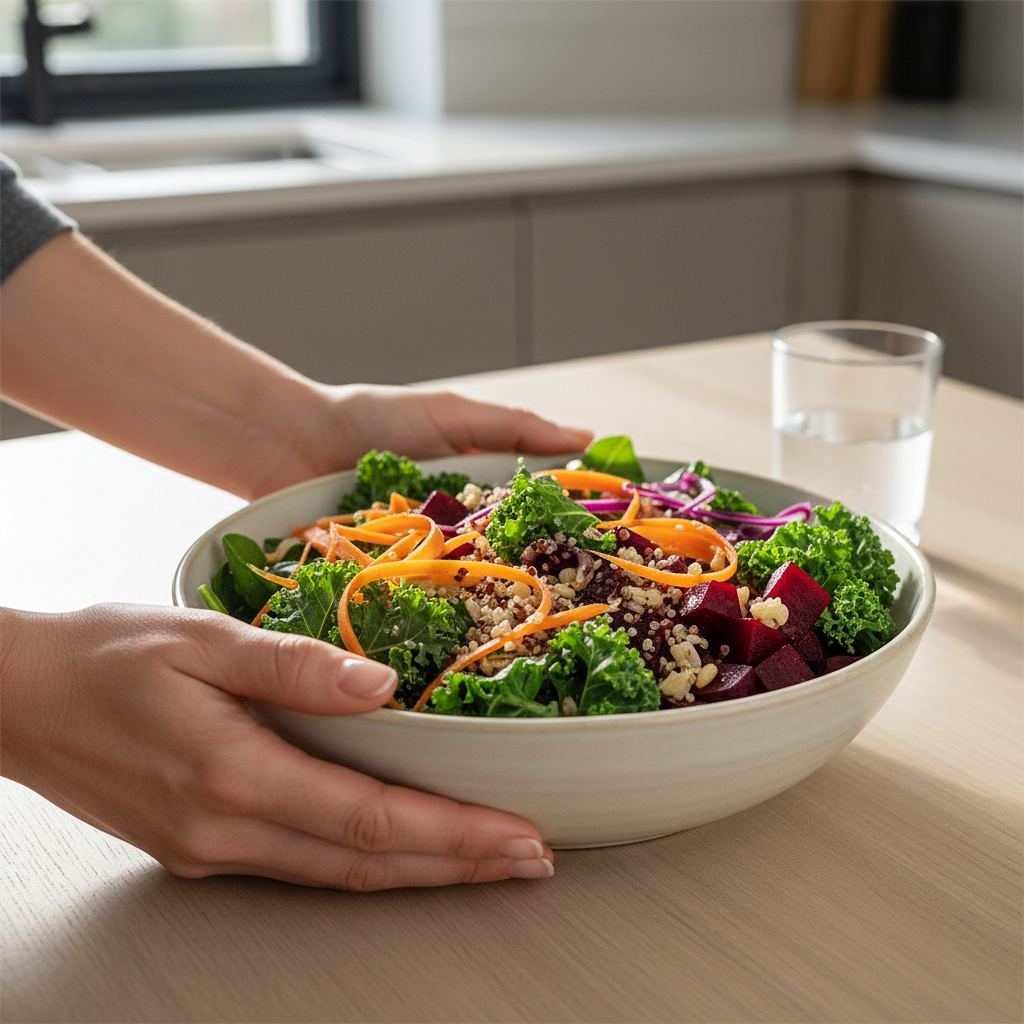
While macronutrients are often highlighted, micronutrients should not be overlooked. Vitamins and minerals, such as iron, calcium, and vitamin D, play a significant role in maintaining energy levels and bone health.
Ensuring a diet rich in fruits, vegetables, and lean meats can help soccer players meet their micronutrient needs. Supplements may also be recommended in certain cases to address specific deficiencies.
Hydration: A Key Component
Proper hydration is critical for soccer players. Dehydration can lead to fatigue, decreased coordination, and even heat-related illnesses. Athletes should drink water regularly throughout the day and increase intake during training and matches.
Electrolytes, found in sports drinks, are also important to replace lost salts and maintain fluid balance in the body. Monitoring hydration levels can help prevent performance dips and promote recovery.

Timing and Meal Planning
When it comes to nutrition, timing is everything. Consuming the right foods at the right time can have a profound impact on a player's performance. Pre-match meals should be high in carbohydrates and consumed 3-4 hours before the game.
Post-match nutrition focuses on recovery, with a combination of carbs and proteins to repair muscles and replenish energy. Snacks like smoothies or protein bars can be convenient options immediately after a game.
Customizing Nutrition Plans
Every player is unique, and so are their nutritional needs. Coaches should work closely with nutritionists to develop individualized plans based on players' positions, body types, and specific goals.
Regular assessments and adjustments ensure that the nutritional strategies remain aligned with training regimens and competition schedules. This personalized approach can significantly enhance player performance and well-being.

Conclusion: Integrating Nutrition into Coaching
Integrating nutrition into high-performance soccer coaching is not just beneficial but essential. Coaches, players, and nutritionists must work collaboratively to create an environment where nutrition supports every aspect of training and performance.
By understanding and implementing effective nutritional strategies, soccer teams can gain a competitive edge, ensuring that players remain at the top of their game, both physically and mentally.